
Tile adhesive guide
How to Choose the right Tile Adhesive: C1 vs C2TE vs C2TES1
Published on Feb 2026 . 6 min read
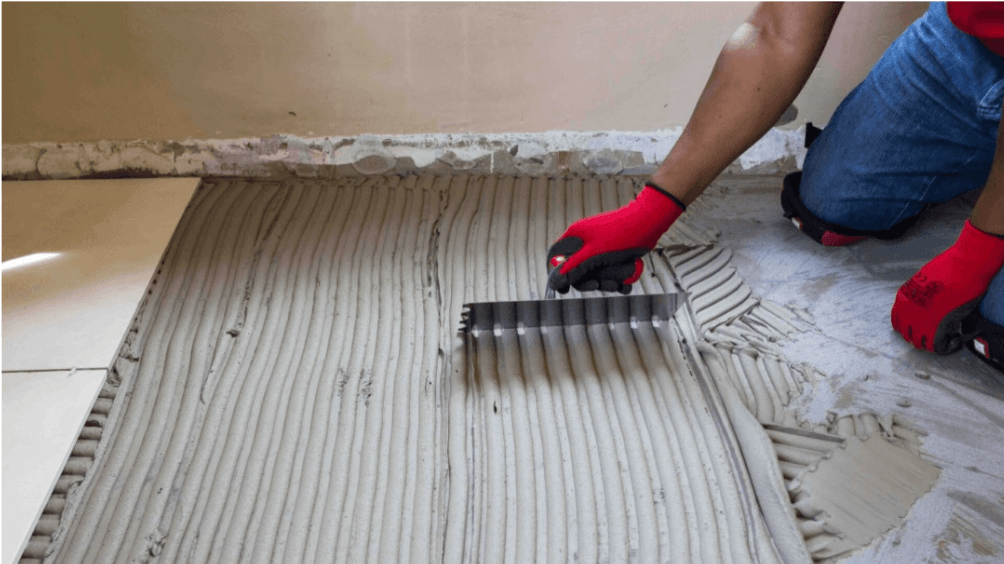
Selecting the correct tile adhesive is essential for achieving long-term durability, proper bonding performance, and reliable installation results.
Different tile types, substrate conditions, and environmental factors require different adhesive properties. Using the wrong adhesive may lead to debonding, cracking, hollow spot, or tile failure overtime.
This article explains the differences between C1, C2TE, and C2TES1 tile adhesive and helps identify the appropriate solution for various applications.
What Do C1, C2TE, and C2TES1 Mean?
Tile adhesive classifications are based on international performance standards and indicate bonding strength and additional characteristics.
C1 Tile Adhesive
C1 adhesives are standard cement-based tile adhesives designed for general indoor applications.
Typical Features
- Standard bonding strength
- Suitable for ceramic tiles
- Interior applications
- Cost-effective solution
Common Applications
- Indoor floors
- Interior walls
- Low-moisture environments
Explore our C1 tile adhesive solutions for standard interior applications.
C2TE Tile Adhesive
C2TE adhesives provide improved bonding performance and extended open time.
Meaning of C2TE
- C2: Improved adhesion strength
- T: Reduced slip
- E: Extended open time
Typical Features
- Higher bond strength
- Better workability
- Suitable for porcelain tiles
- Improved installation flexibility
Common Applications
- Porcelain tile installation
- Large-format tiles
- Interior and exterior surfaces
- Commercial projects
Explore our C2TE adhesive systems designed for porcelain and large-format tile installations.
C2TES1 Tile Adhesive
C2TES1 adhesives offer enhanced flexibility and deformation capability for demanding conditions.
Meaning of S1
- S1: Deformable adhesive with flexibility properties.
Typical Features
- Flexible performance
- Thermal movement resistance
- Suitable for difficult substrates
- High-performance bonding system
Common Applications
- Underfloor heating systems
- Facades and balconies
- Large-format porcelain tiles
- Areas exposed to temperature variation
Explore our flexible C2TES1 adhesive solutions for demanding installation environments.
Comparison Table
| Property | C1 | C2TE | C2TES1 |
| Bond Strength | Standard | High | High |
| Slip Resistance | Standard | Improved | Improved |
| Open Time | Standard | Extended | Extended |
| Flexibility | Low | Moderate | High |
| Interior Use | Yes | Yes | Yes |
| Exterior Use | Limited | Yes | Yes |
| Large Format Tiles | Limited | Suitable | Excellent |
Factors to Consider When Choosing Tile Adhesive
Selecting the appropriate adhesive depends on several factors:
- Tile type and size
- Interior or exterior application
- Moisture exposure
- Substrate movement
- Temperature variation
- Project performance requirements
Common Tile Installation Failures
Using unsuitable adhesive systems may result in:
- Tile detachment
- Hollow sounds beneath tiles
- Cracking
- Poor long-term durability
- Reduced bonding performance
Correct adhesive selection significantly reduces these risks.
Conclusion
Each adhesive classification is designed for specific performance requirements and installation conditions.
C1 adhesives are suitable for standard interior projects, while C2TE systems provide improved bonding and workability. For demanding applications involving movement, temperature variation, or large-format tiles, C2TES1 adhesives offer enhanced flexibility and long-term reliability.
Choosing the appropriate adhesive system improves installation quality, durability, and overall project performance.
Looking for the right tile adhesive solution?
Contact our team for product recommendations, technical support, or detailed datasheet requests based on your project requirements.