
Tile adhesive guide
Common Tile Installation Failures and How to Avoid Them
Published on Feb 2026 . 6 min read
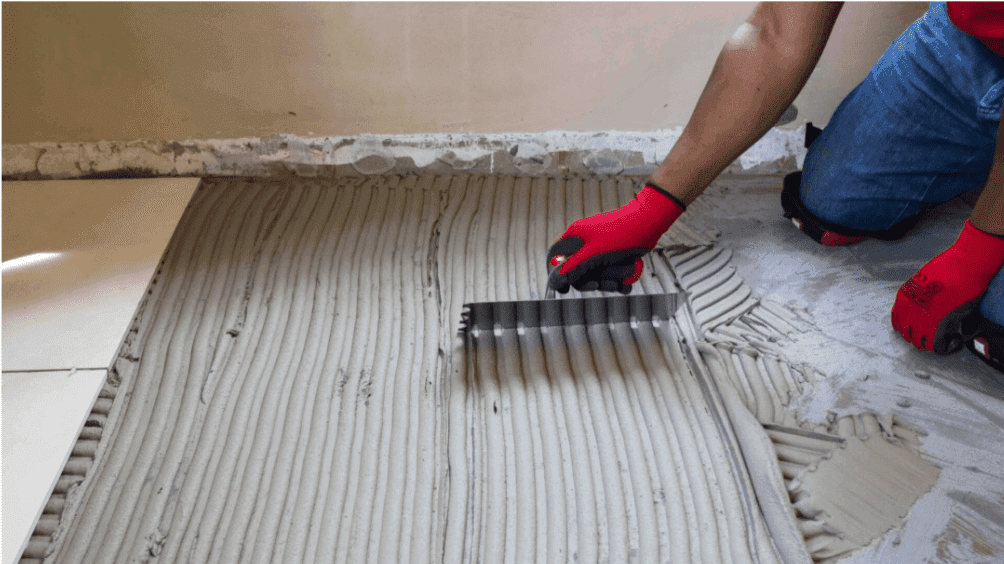
Tile installation failures are among the most common issues in residential, commercial, and industrial construction projects. Problems such as tile detachment, cracking, hollow spots, and uneven surfaces are often caused by improper installation methods or incorrect material selection.
Understanding the main causes of failure helps improve installation quality, reduce maintenance costs, and increase long-term durability.
This article reviews common tile installation problems and practical ways to prevent them.
Tile Detachment
Tile detachment occurs when the adhesive bond between the tile and substrate becomes weak or completely fails.
Common causes
- Incorrect adhesive selection
- Poor surface preparation
- Insufficient adhesive coverage
- Installation over contaminated surfaces
- Excessive moisture exposure
Prevention Methods
- Use adhesives appropriate for the tile type and application area
- Ensure surface are clean, dry, and stable
- Apply adhesive evenly using the correct trowel size
- Follow recommended curing and installation procedures
Hollow Spots Beneath Tiles
Hollow sounds beneath tiles usually indicate incomplete adhesive contact or trapped air pockets.
Common Causes
- Uneven adhesive application
- Incorrect trowel usage
- Large-format tiles installed without back buttering
- Poor installation technique
Prevention Methods
- Use proper trowel notch sizes
- Apply consistent adhesive coverage
- Use back buttering for large-format tiles
- Press tiles firmly during installation
Tile Cracking
Tile cracking may occur immediately after installation or develop gradually over time.
Common Causes
- Substrate movement
- Thermal expansion
- Structural deflection
- Lack of movement joints
- Inadequate adhesive flexibility
Prevention Methods
- Use flexible adhesive systems where movements is expected
- Install movement joints correctly
- Verify substrate stability before installation
- Select adhesive suitable for environmental conditions
Poor Adhesion in Exterior Applications
Exterior installations are exposed to temperature variation, moisture, and environmental stress.
Common Causes
- Use of low-performance adhesive systems
- Inadequate weather resistance
- Incorrect curing conditions
Prevention Methods
- Use high-performance adhesive systems such as C2TE or C2TES1
- Avoid installation during unsuitable weather conditions
- Follow manufacturer application guideline
Uneven Tile Surface (Lippage)
Lippage refers to visible height differences between adjacent tiles.
Common Causes
- Uneven substrate
- Incorrect leveling
- Large-format tile challenges
- Inconsistent adhesive thickness
Prevention Methods
- Prepare and level substrates properly
- Use tile leveling systems when necessary
- Maintain consistent adhesive application
- Follow proper alignment procedures
Importance of Proper Adhesive Selection
Choosing the correct adhesive system plays a major role in installation performance and durability.
Different projects require different adhesive characteristics depending on:
- Tile size and type
- Interior or exterior use
- Substrate conditions
- Moisture exposure
- Thermal movement requirements
Using the wrong adhesive may significantly reduce installation lifespan.
Best Practices for Long-Term Tile Performance
- Follow manufacturer instructions
- Use appropriate adhesive classifications
- Prepare substrates properly
- Maintain adequate adhesive coverage
- Respect curing times
- Use movement joints where required
Conclusion
Most tile installation failures are preventable with proper materials selection, surface preparation, and installation techniques.
Using the correct adhesive system and following industry best practice improves bonding performance, reduces maintenance issues, and ensures long-term durability.
Careful planning and proper execution are essential for achieving reliable tile installation results.
Need support selecting the right tile adhesive system?
Contact our team for technical guidance, product recommendations, and detailed datasheet requests based on your project requirements.